
5.4. Origins of Eukaryotes (chloroplasts, mitos)#
– mitochondria and chloroplasts (plastids)
Professor: Chris Howe (Biochemistry)
Learning objectives:
To understand the origin of mitochondria and their presence throughout eukaryotes
To understand the origins and spread of chloroplasts
Key Concepts
Mitochondria as endosymbionts
Acquisition of mitochondria may mark the origin of eukaryotes
Plastids (chloroplasts) as endosymbionts
There are multiple instances of lateral acquisition of plastids
Acquisition of plastids and mitochondria provided metabolic benefits to the host
After endosymbiosis there was large-scale remodelling of genomes and other aspects of cell biology
Introduction#
We can divide organisms into three groups:
Bacteria (also referred to as ‘eubacteria’ in some sources)
Archaea
Eukaryotes
The eukaryotes (which include you and me) typically have a range of complex intracellular structures, or organelles, including a nucleus and mitochondria (organelles that produce useful energy from carbon-containing molecules). Photosynthetic eukaryotes (plants and algae) also have chloroplasts, which is where photosynthesis happens.
A note on terminology
There are also photosynthetic bacteria – cyanobacteria. Some people include them in ‘algae’. For the sake of simplicity, we won’t here.
Chloroplasts are interconvertible with a range of other organelles in plants, such as amyloplasts and chromoplasts. We’ll use the collective term ‘plastids’ to include all those, as well as the algal organelles.
We’re going to look at the origins of mitochondria and plastids. That will also tell us something about the origin of eukaryotes, and what might happen with other cellular life forms. We’ll look at the following questions:
How did mitochondria originate?
How is that linked to the origin of eukaryotes?
How did plastids originate?
Is this kind of thing common?
What were the driving forces?
How have mitochondria and plastids evolved after their origin?
How did mitochondria originate?#
Since the mid-19th century microscopists had noted similarities between mitochondria and bacteria, leading to the idea of them as endosymbionts.
The identification and characterisation of DNA in the mitochondria and other biochemical features strongly supported this (Fig. Fig. 5.25).
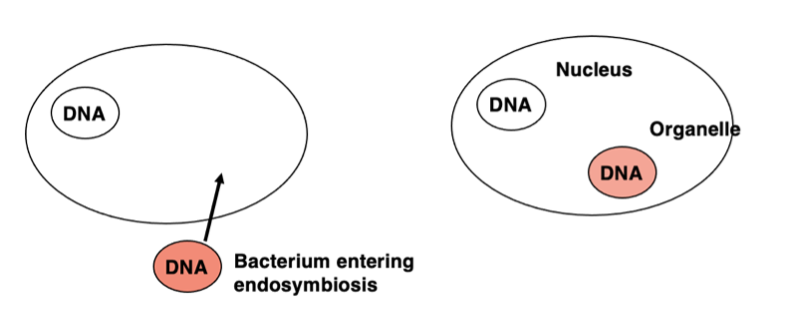
Fig. 5.25 Endosymbiosis.#
Though, other possible explanations existed, such as specialisation of a region of cell membrane, followed by enclosure and capture of relevant genes (Fig. 5.26).
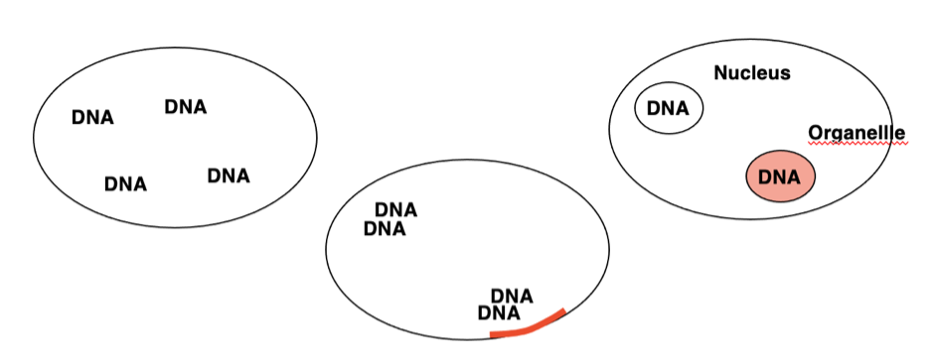
Fig. 5.26 Cell membrane specialisation.#
Sequence analysis of DNA indicates a close relationship with alpha-proteobacteria, and possibly even within them (Fig. 5.27) though some analyses disagree.
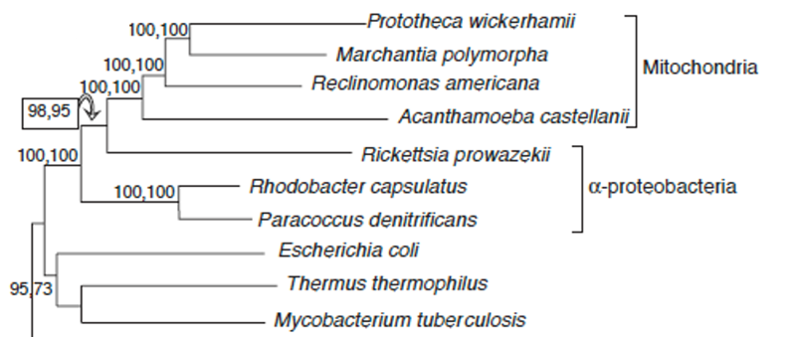
Fig. 5.27 Relationships from sequence analysis (Andersson et al., 1998)#
How is that linked to the origin of eukaryotes?#
This is tied up with the question of what was the host.
Early studies pointed to a group of anaerobic protists that appeared to diverge early in the eukaryotic tree, such as Giardia, Trichomonas and Entamoeba. They were sometimes referred to as ‘Archaezoa’.
It was thought they are representatives of eukaryote lineages diverging before the origin of mitochondria (Fig. 5.28):
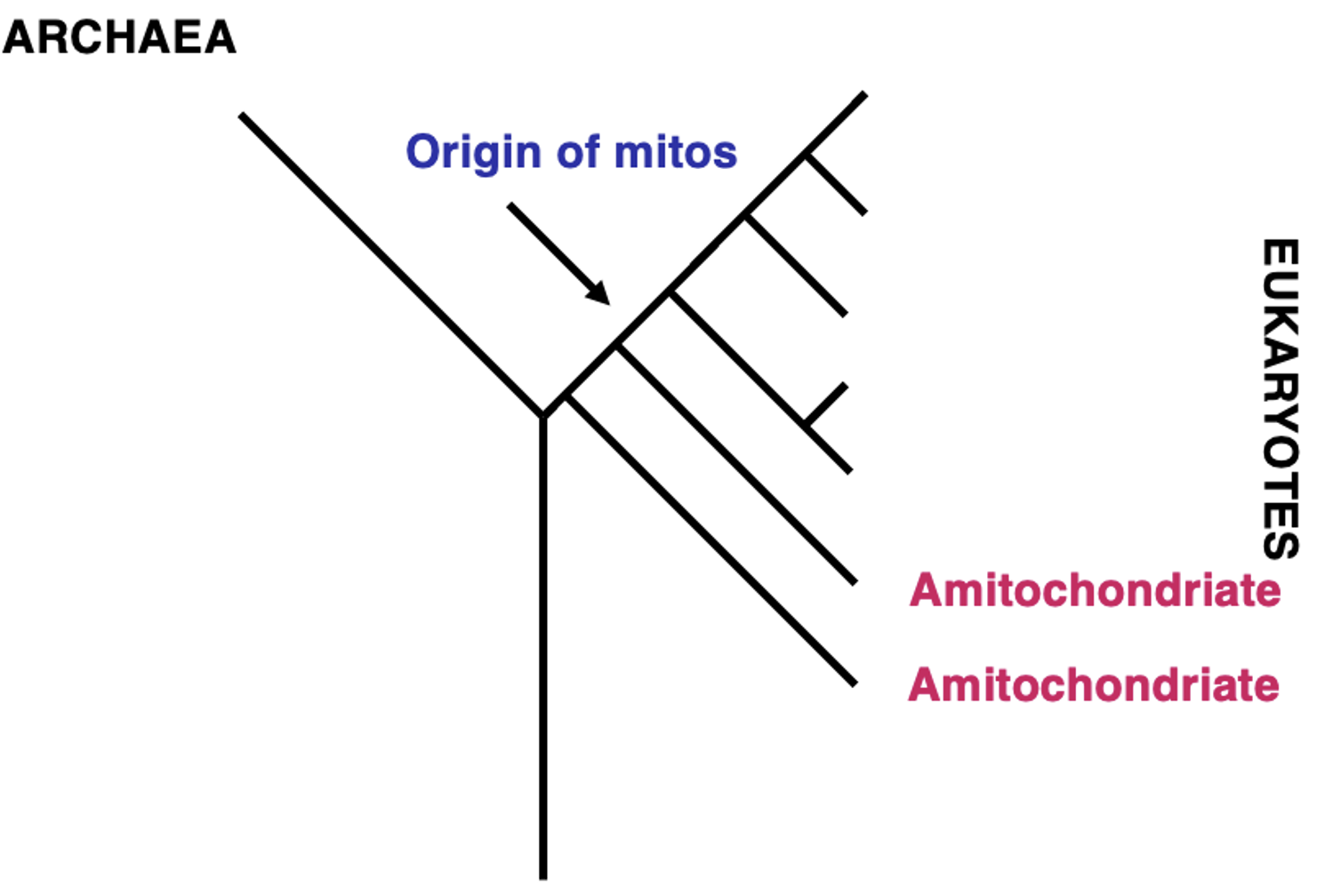
Fig. 5.28 Phylogeny for mitochondria originating from amitochondriate eukaryotes.#
But we now recognise (i) the trees were in error as to where they placed the Archezoa, and (ii) they have remnant mitochondria anyway, which don’t function in aerobic respiration, but are definitely of mitochondrial ancestry.
In fact all eukaryotes have mitochondria (or used to).
So the origin of mitochondria (rather than the nucleus) may mark the origin of eukaryotes.
Recent studies have indicated the existence of a group of archaea, the Asgardarchaeota, which have many features in common with eukaryotes. They group as a sister to eukaryotes in phylogenetic trees (Fig. 5.29).
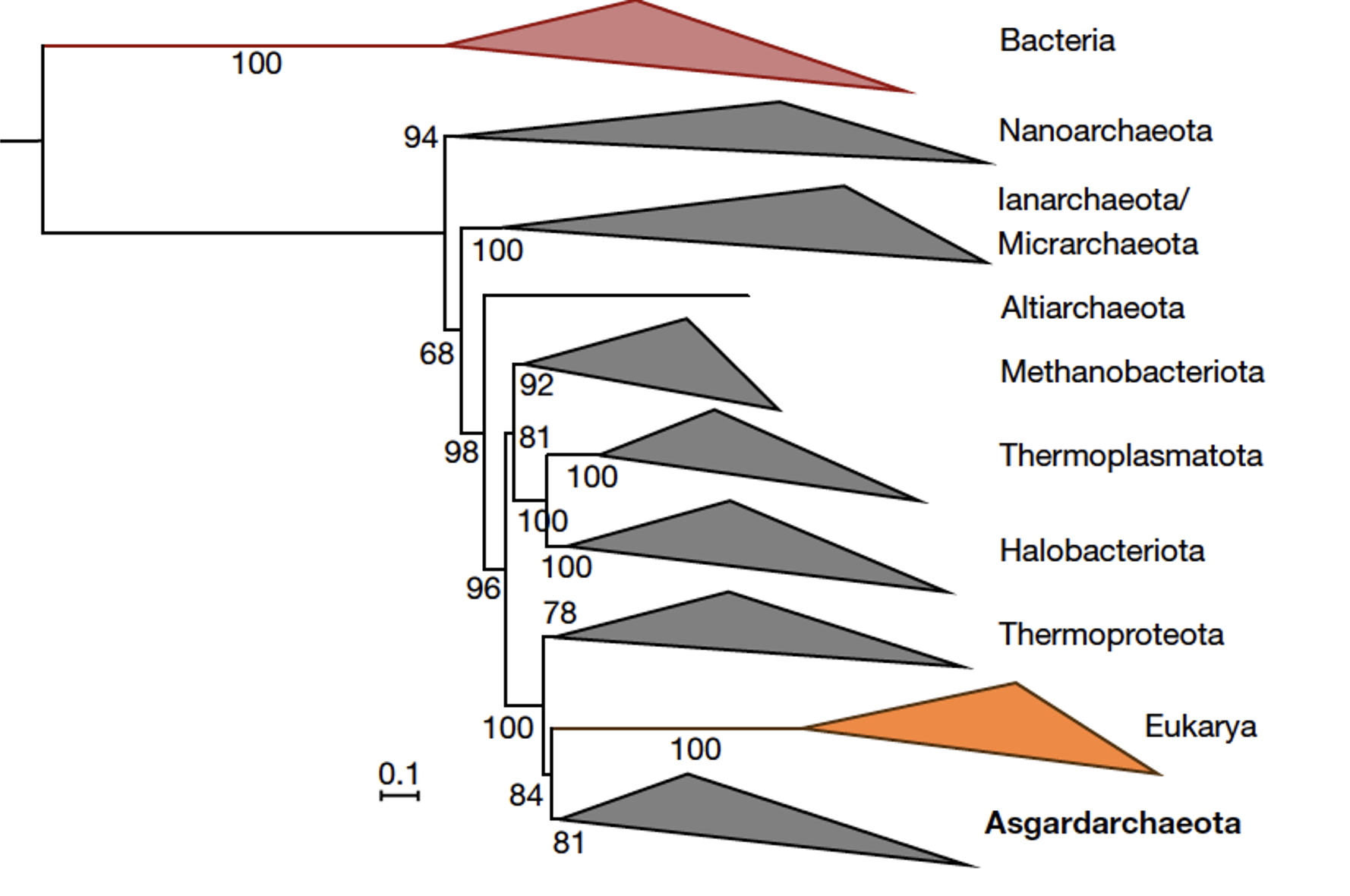
Fig. 5.29 Eukaryotes as sister to Asgardarchaeota. Phylogenies from Rodriguez-Oliveira et al. (2023).#
So it seems that some eukaryote-like features arose in those archaea. A lineage acquired mitochondria and nuclei (could be in either order), and that resulted in the eukaryotes as we know them.
How did plastids originate?#
As with mitochondria, ultrastructural data from the 19th Century were strongly supported by the demonstration of plastid DNA and its characterisation from the 1980s onwards.
The organization of genes in the plastid is even more similar to that of bacteria than for mitochondrial genes. There are many examples of genes in operons, and even in the same order in those operons as in bacteria. The plastid RNA polymerase is similar to bacterial RNA polymerases.
Sequence-based trees indicate an origin of plastids in the cyanobacteria (Fig. 5.30).
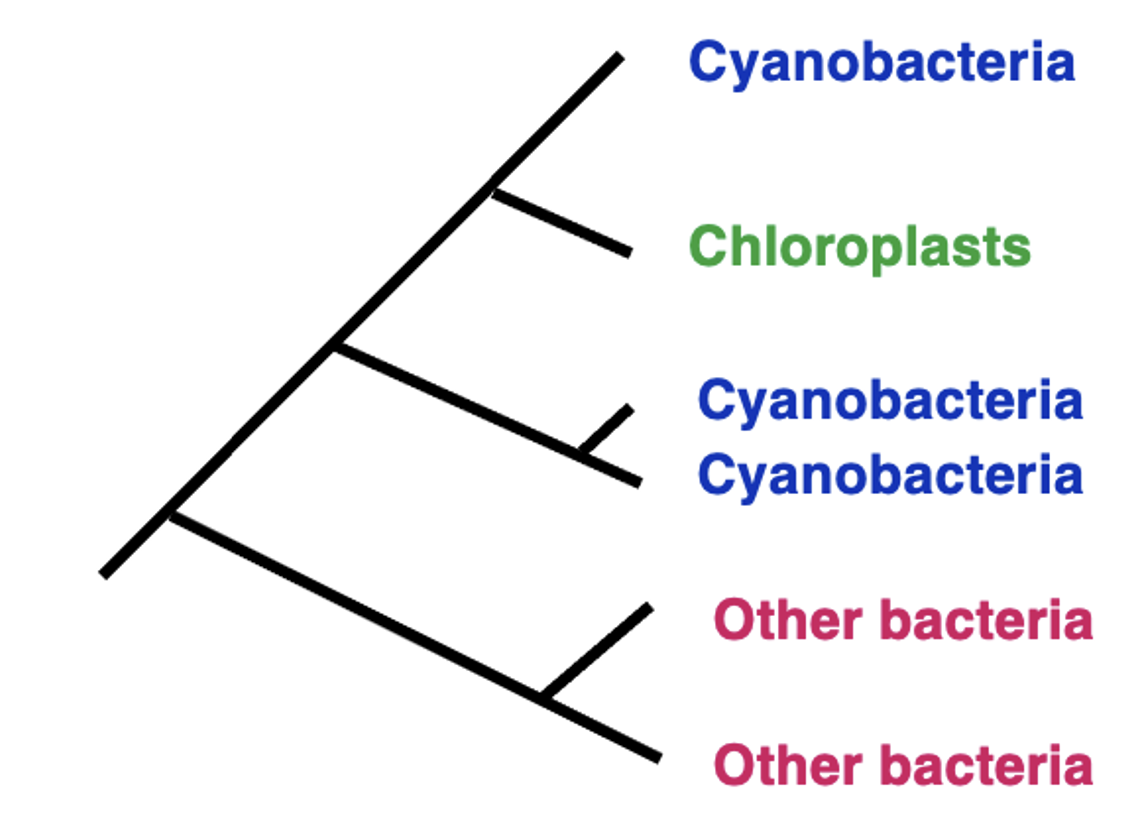
Fig. 5.30 Phylogeny for the origin of plastids.#
Chloroplasts and cyanobacteria carry out a very similar kind of photosynthesis. The origin of chloroplasts from something related to present-day cyanobacteria seems beyond doubt.
The figure above refers to ‘chloroplasts’, as early studies looked at DNA in the plastids, usually chloroplasts, of green plants and green algae. We’ll look below at the origin of the plastids/chloroplasts in, say, red algae or diatoms.
Is this kind of thing common?#
Are these endosymbiosis-derived organelles freak events, or are they common? If they’re common, we might expect to see them in other cellular systems we encounter.
Mitochondria: All eukaryotes have a nucleus and mitochondria (or had them). So it seems that acquiring mitochondria was a one-off event early in the history if eukaryotes. It was a very successful event, though, given the diversity of eukaryotes.
Plastids: This is a more complicated story.
We can define plastids as primary or complex ones.
The primary ones have two membranes round them. Complex ones have more – usually three or four. Primary plastids are derived directly from endosymbiotic acquisition of a photosynthetic bacterium.
Primary ones are found in plants and green algae, red algae, and an unusual group called the glaucophytes. The plants and green algae have different pigment composition from the others.
The general view is that the primary plastids have a single origin – “monophyletic” (left hand panel below), rather than “polyphyletic” (right hand panel) in spite of the differences in pigment composition (Fig. 5.31). This is based on the plastids apparently having a common import machinery.
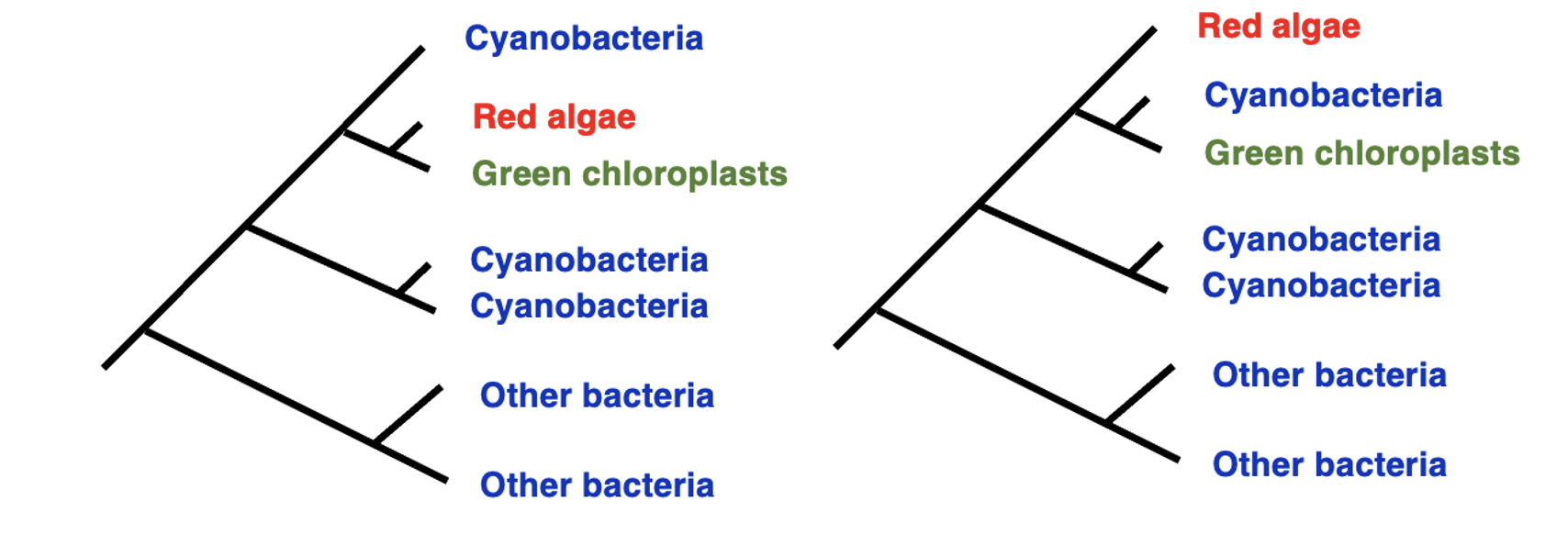
Fig. 5.31 Monophyletic (left) or polyphyletic (right) phylogenies for the origins of plastids.#
The complex plastids arose by secondary endosymbiosis, in which a non-photosynthetic host acquired a photosynthetic eukaryote, and kept the plastid (Fig. 5.32).
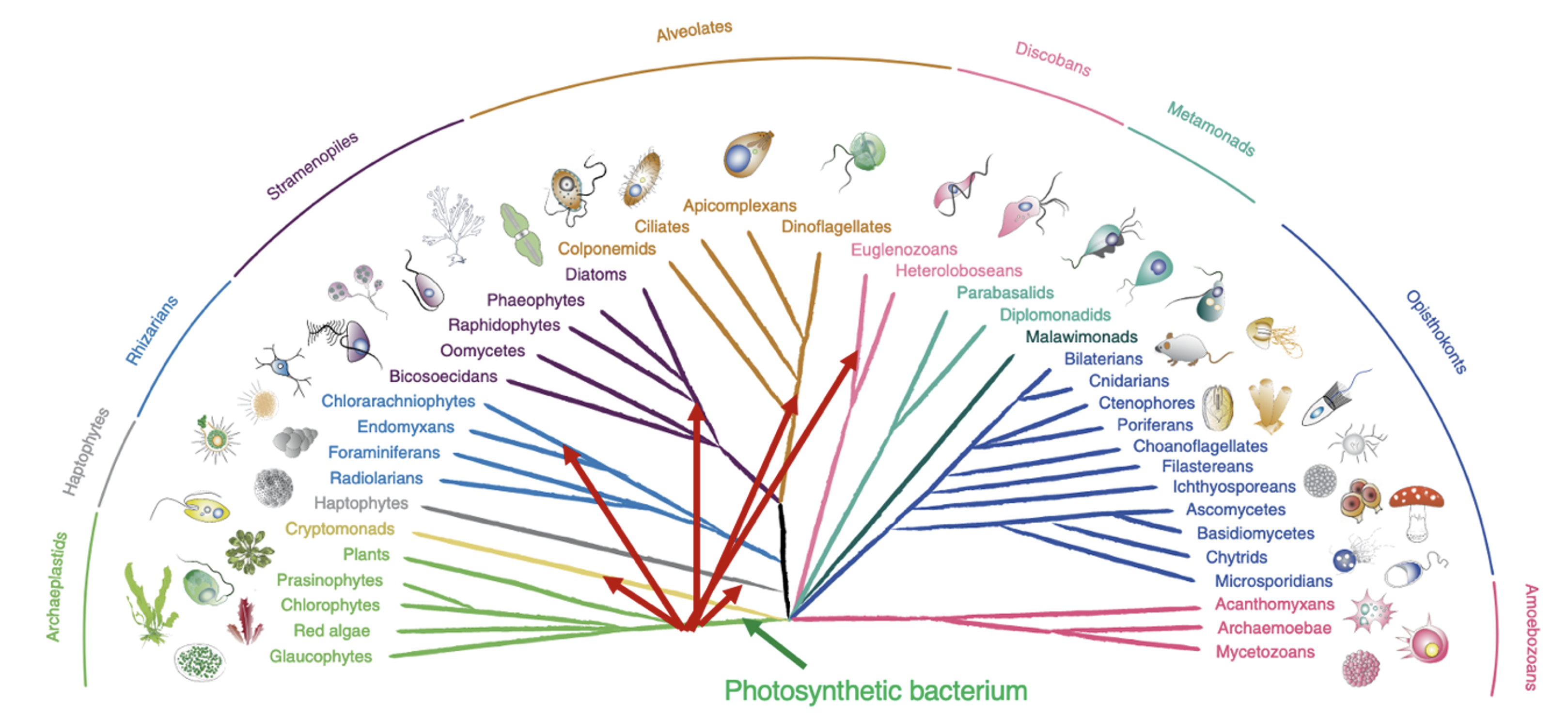
Fig. 5.32 The eukaryotic tree of life, annotated to indicate primary (green arrows) and secondary (red arrows) endosymbiotic events (modified after Faktorova et al., 2020).#
This accounts for the multiple membranes (and in some lineages an extra body of DNA, the nucleomorph, between two of the membranes).
Recently, an additional primary endosymbiosis has been recognised in the chromatophore of Paulinella chromatophora (Fig. 5.33).
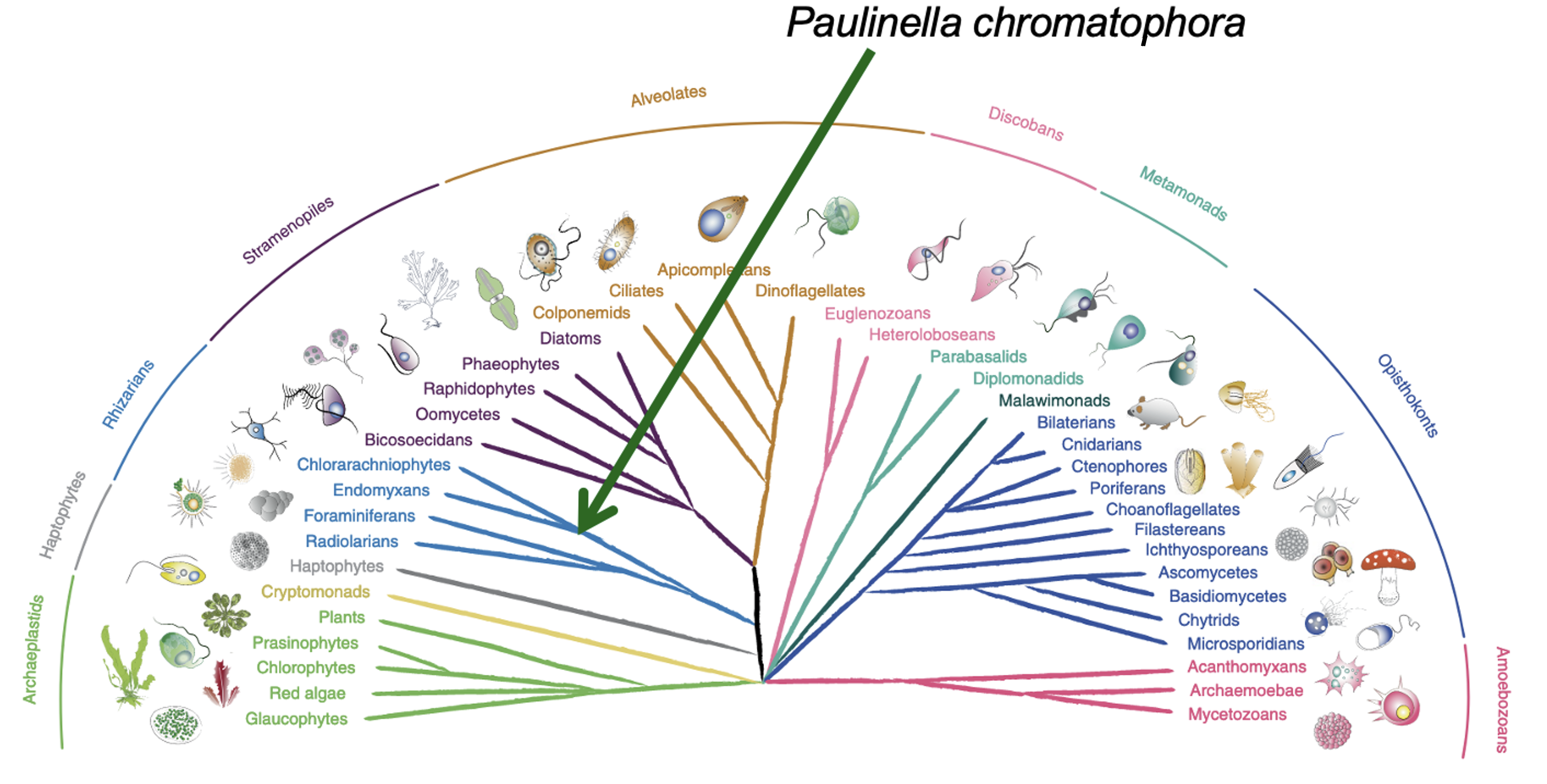
Fig. 5.33 The eukaryotic tree of life, annotated to indicate primary endosymbiosis of Paulinella chromatophora (modified after Faktorova et al., 2020).#
Other endosymbioses: There are many other examples of endosymbiosis (or similar phenomena) that have not gone all the way to becoming an organelle. They can include whole organisms as endosymbionts, or stolen organelles (kleptoplasts).
For example, Paramecium cells can each contain several hundred symbiotic Chlorella cells. That is a stable, balanced symbiosis, but each component can live separately.
Corals contain symbiotic dinofllagellates. The symbiosis breaks down under some conditions (e.g., elevated temperature), leading to expulsion of the dinoflagellates (coral bleaching).
More dramatically, the sea slug Elysia (Fig. 5.34) can contain large numbers of plastids from the algae it eats, making it green.
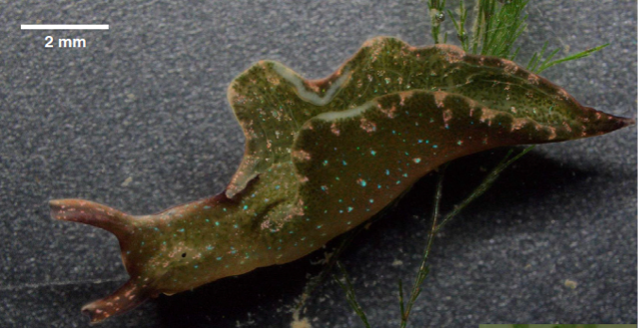
Fig. 5.34 Sea slug Elysia. Photo courtesy of Sam Humphrey.#
Isotope labelling experiments show that these plastids can fix carbon dioxide. Because they are separate organelles, they don’t last indefinitely (though they do seem to last longer than isolated plastids would usually).
Not all endosymbioses involve photosynthesis. Root nodules of leguminous plants contain symbiotic nitrogen-fixing bacteria of the genus Bradyrhizobium, contained within a membrane-bound intracellular “symbiosome”.
What were the driving forces?#
Mitochondria: It’s typically assumed that the host of the mitochondrial endosymbiont benefits by getting more efficient metabolism of food materials (by aerobic respiration). The symbiont may benefit by physical protection.
This may not have been what drove the endosymbiosis in the first place, though. For example, the hydrogen hypothesis suggests it was initially underpinned by hydrogen exchange. According to this:
The symbiont was a facultative anaerobe. It could respire when oxygen was present, but produced hydrogen under anaerobic conditions. (The remnant mitochondria in anaerobic protist organisms like Trichomonas can produce hydrogen.)
The host was a hydrogen-requiring member of the archaea.
Having more energy available may have allowed the organisms to maintain larger genomes.
Plastids: The availability of fixed carbon is an attractive consequence of acquiring a photosynthetic plastid.
There are other possibilities, e.g., a nitrogen-fixing cyanobacterium could have provided a source of nitrogen as well.
Recently a symbiosis has been described involving an intracellular nitrogen-fixing cyanobacterium in a haptophyte alga (Braarudosphaera bigelowii). It has been argued this should count as an organelle and be described as a nitroplast.
What were the driving forces?How have mitochondria and plastids evolved after their origin?#
The most striking thing is the reduction of genome size. This is due to outright loss of some genes, and transfer of others to the nucleus.
Why move genes to the nucleus?
Puts them in a sexual gene pool
Takes them away from dangerous chemistry in organelles
Easier to regulate
Can be shown in the lab to occur at a surprisingly high frequency.
Why do some genes stay in the organelle?
Some proteins can’t be imported efficiently
Genes can be regulated in response to redox state of the organelle (CORR - Co-location for redox regulation)
Genes need to be responsive to pools of unassembled subunits of complexes (CES – control by epistasy of synthesis)
Some gene products are needed in the organelle (eg tRNA-Glu in plant plastids)
Movement may require organelle lysis (lethal if a single organelle)
Establishment of the organelle will require a range of biochemical mechanisms, including:
Protein import pathways
Systems for controlling organelle numbers and division
Pathways for integrating gene expression (nucleus to organelle, and organelle to nucleus)
Transporters for metabolite exchange