
5.10. Land plant transformation of the terrestrial biosphere#
Professor: William Macmahon (Department of Earth Sciences)
Learning objectives:
To understand how land plant evolution influenced Earth’s climate and oxygenation state
To understand how weathering intensity changed in synchrony with evolving land plants
To understand the sedimentological impact of evolving land plants
The textbook carbon cycle#
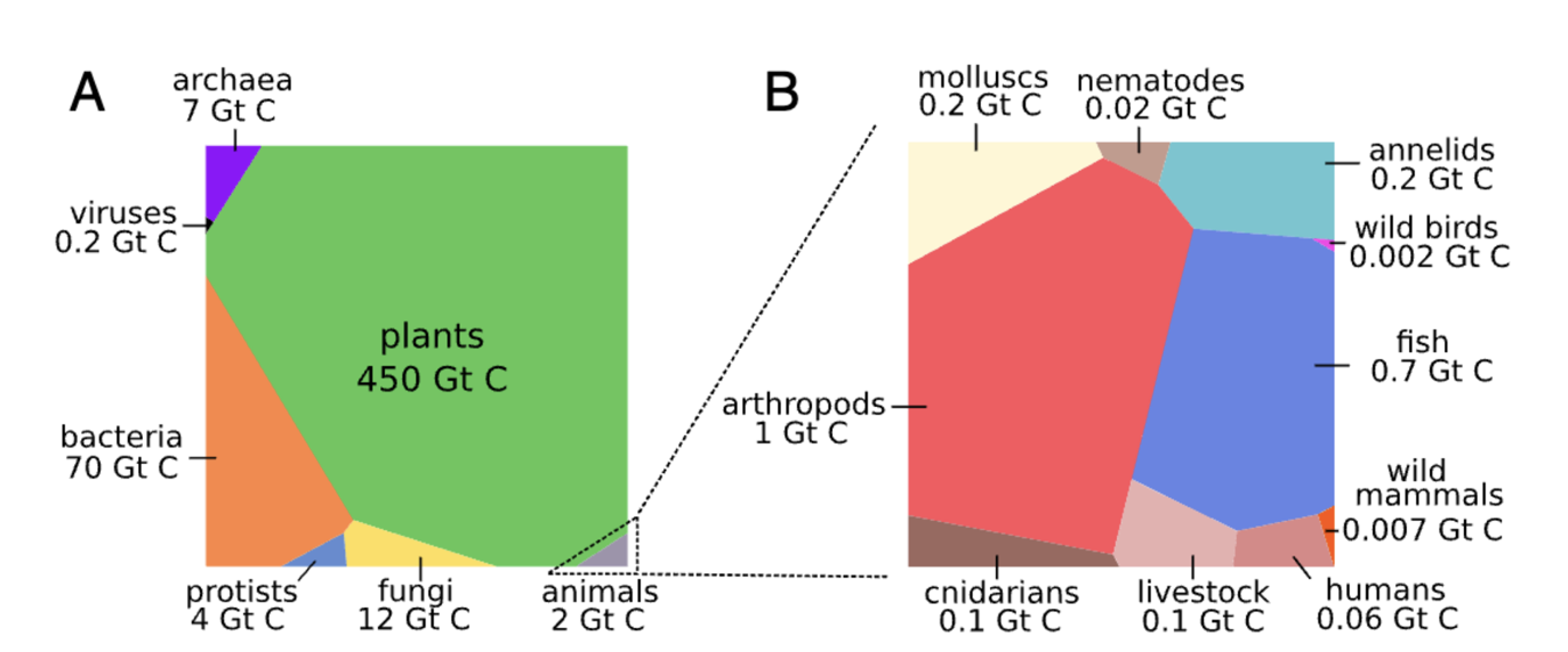
Fig. 5.45 Plants account for >85% of Earth’s total biomass. Consequently, surface processes on Earth are always impacted by vegetation, either directly or indirectly. From Bar-on et al. (2018).#
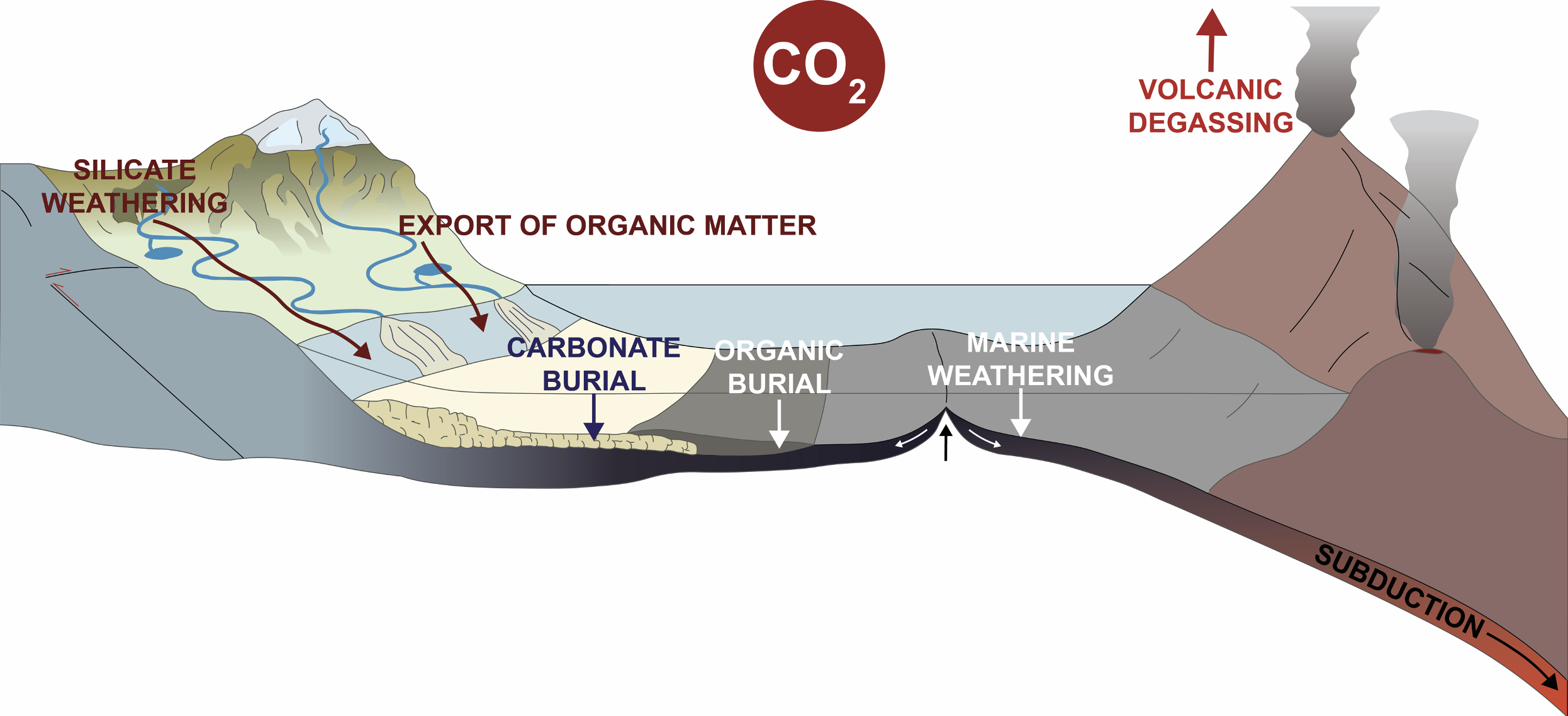
Fig. 5.46 A schematic of the `textbook’ carbon cycle: carbon is input to the Earth system be volcanism and drawn out of the atmosphere by silicate weathering and organic matter production. McMahon (unpublished).#
CO\(_2\) regulation via negative feedbacks within the global carbon‐silica cycles are considered to have maintained climate stability across geological timescales (Fig. 5.46). This planetary thermostat had been thought to be primarily related to forward terrestrial silicate weathering, which consumes atmospheric CO\(_2\) (5.1) as carbon is precipitated as carbonate minerals. However, clay formation via forward marine silicate weathering – both of sediments and during oceanic crust alteration – has been increasingly recognised to be a major carbon sink. This carbon sink is also offset by reverse weathering – where reactions that produce clays consume dissolved cations and convert carbonate alkalinity back into CO\(_2\) (5.2). Terrestrial, marine, and reverse weathering combine to form the silicate weathering feedback.
Further reading
Clay mineral formation#
Clays are an archive of weathering as they form from the chemical and physical erosion of Earth’s surface: their formation conditions constrain drivers for CO\(_2\) consumption and release. On the continents, clay formation is widespread in `the critical zone’, Earth’s near-surface environment, extending from the top of the vegetation canopy to the bottom of the groundwater.
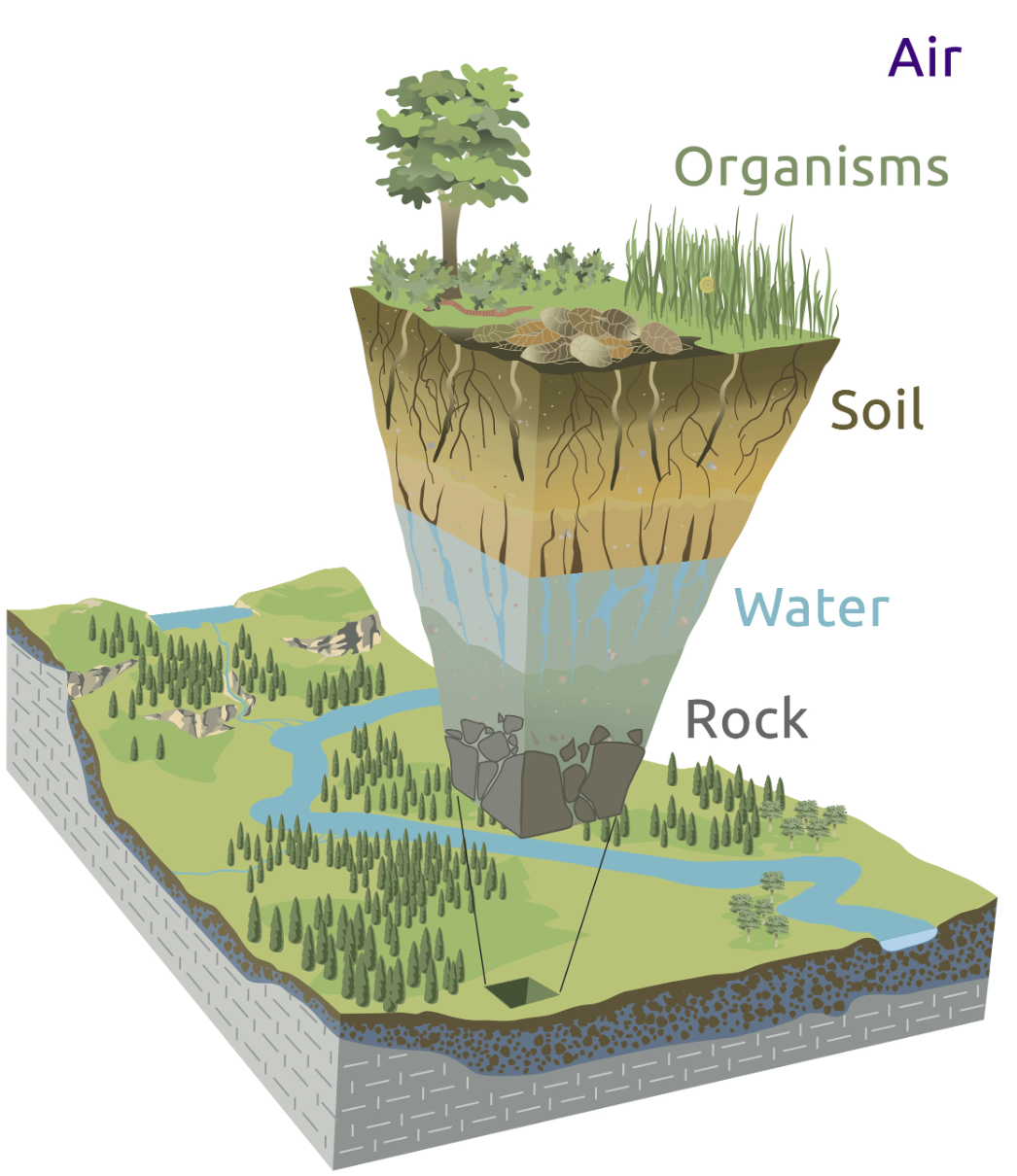
Fig. 5.47 The critical zone, the living boundary layer where rock, soil, water, air, and living organisms interact. These complex interactions regulate the natural habitat and determine the availability of life-sustaining resources. Courtesy of Catalina-Jemez, Critical Zone Observatory.#
Plants (and their mycorrhizal fungi) influence weathering and clay formation in the critical zone in five key ways Fig. 5.48:
Evapotranspiration increases the flow of water bearing base cations and other nutrients to plants, and affects soil water residence times and the amount of rainfall on a regional scale
Plant exudates include reactive species such as H+ and low molecular weight organic chelators
Respiration increases the pCO\(_2\) of the soil solution
Decomposition increases the concentration of high molecular weight organic acids and low molecular weight organic chelators in the soil solution, fuels respiration by heterotrophs, and returns base cations from the biota to the soil solution
Erosion is reduced due to the binding of soil particles by roots and mycorrhizal hyphae, physical stabilization that enables continued soil development
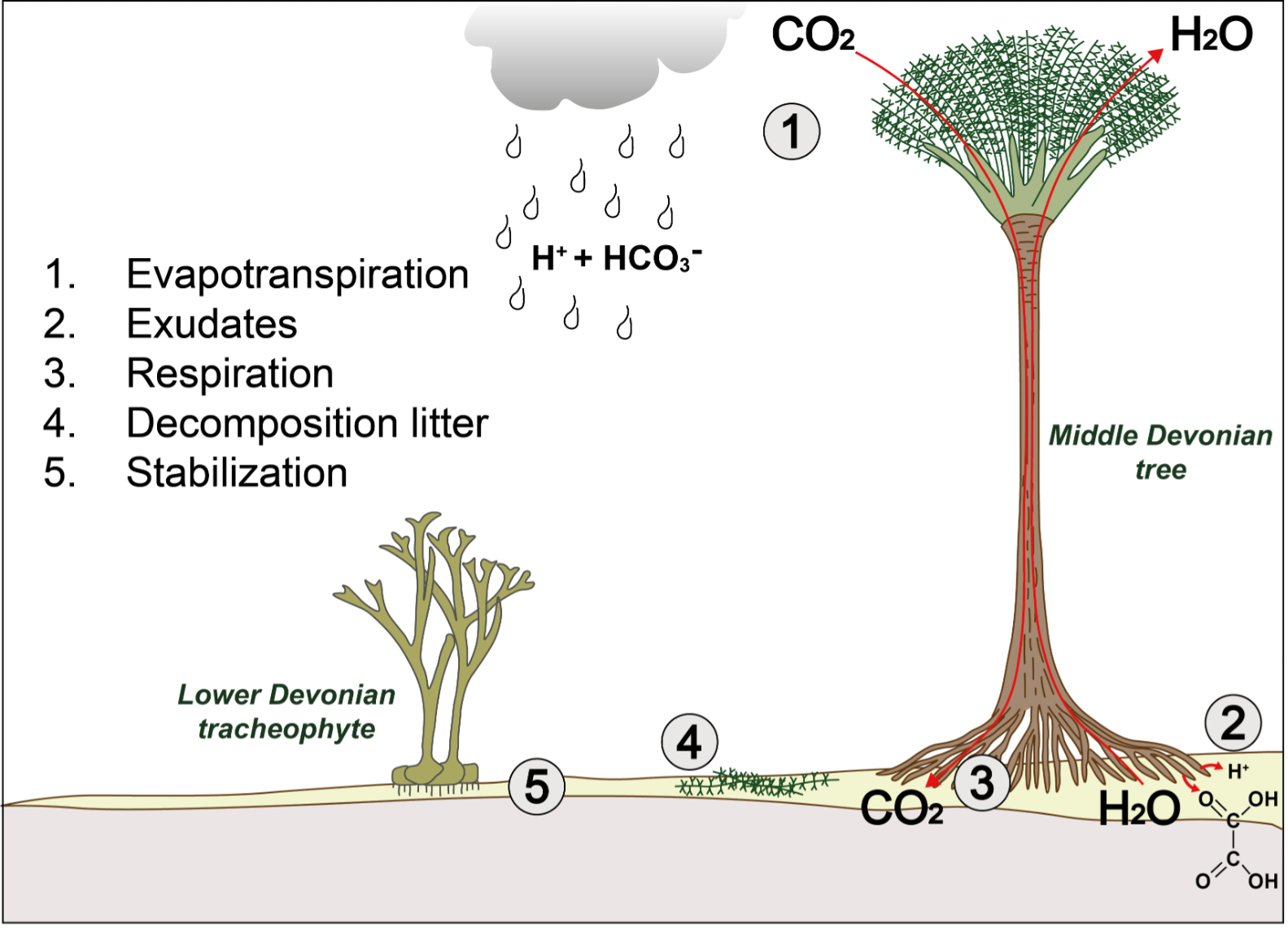
Fig. 5.48 Schematic of the five key mechanisms of weathering induced by plants. McMahon (unpublished).#
Further reading
Stabilizing influence of mud#
Mud contains very fine clay minerals (typically <0.002 mm). Because they are so small they have a very large surface area relative to their size. Many particles sit extremely close together in water, enabling molecular forces such as van de Waals forces to act between them and generate cohesivity. Cohesive sediment lowers the erodibility of riverbanks and floodplains and tends channels towards sinuous, meandering deposition.
Plant-binding and baffling effects encourage mud deposition which further decrease the sediment erodibility and enhance landscape stability.
Plant-binding: Roots physically reinforce and hold together soil or sediment, helping prevent erosion.
Plant-baffling: Refers to the way vegetation slows down the movement of water, sediment, or wind by acting as a physical obstacle (“baffle”), which helps reduce erosion and increase deposition.
Paleozoic greening of the continents#
A timeline of plant invasion of land:
First roots: Lower Devonian
First wood: Lower Devonian
First trees: Middle Devonian
First forests: Middle Devonian
Important expansion and diversification of ‘the critical zone’ (Part 2)
Vegetation controls parameters that influence river channel patterns and therefore sedimentary facies.
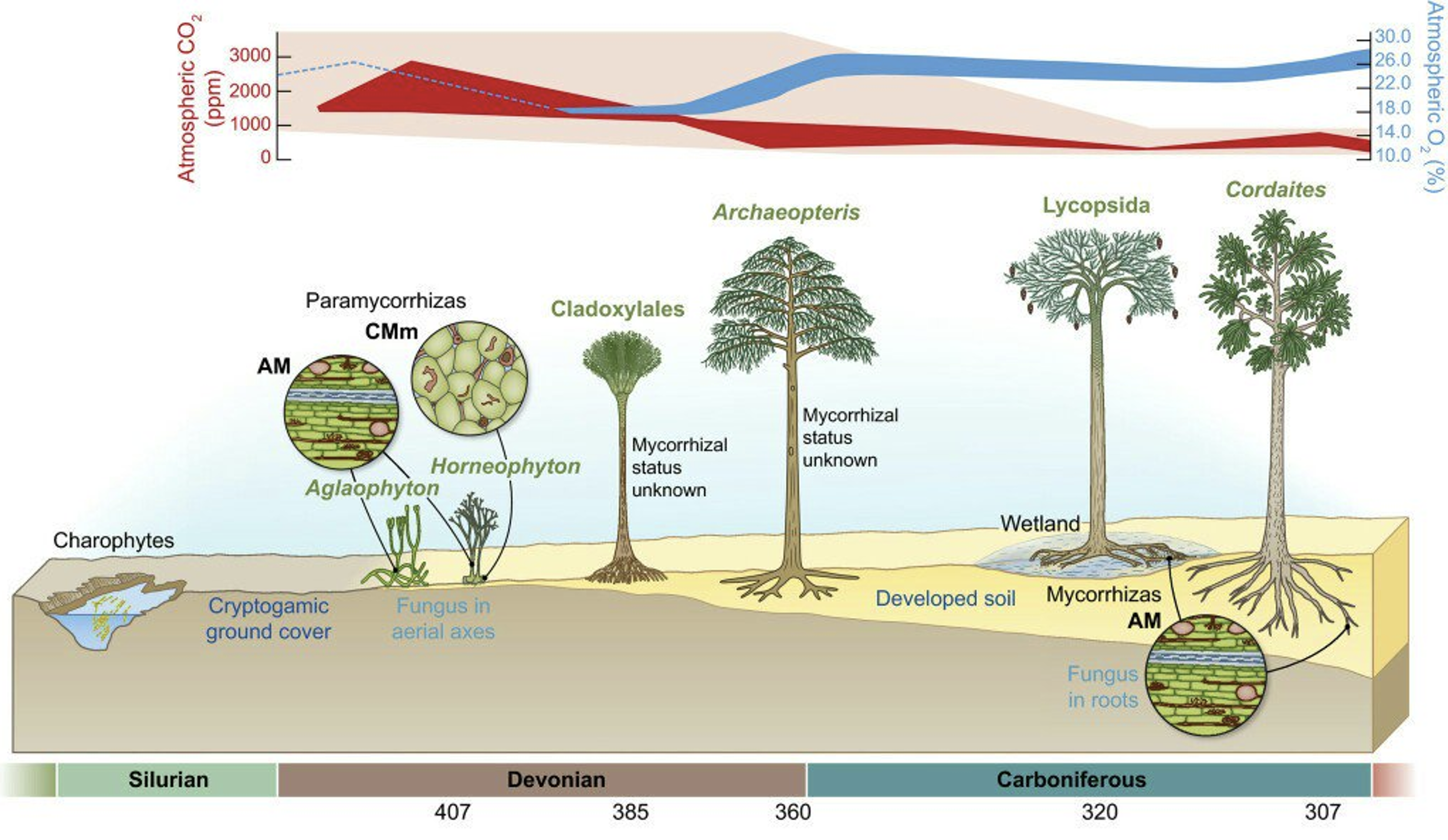
Fig. 5.49 History of plant colonisation of the continents. From Strullu‐Derrien et al. (2018).#
Pre-Vegetation Earth Alluvium:#
1000’s metres of sands
Almost no mud
Architectural elements = dominantly tabular sandstones
Laterally mobile channels \(\pm\) high aspect ratios
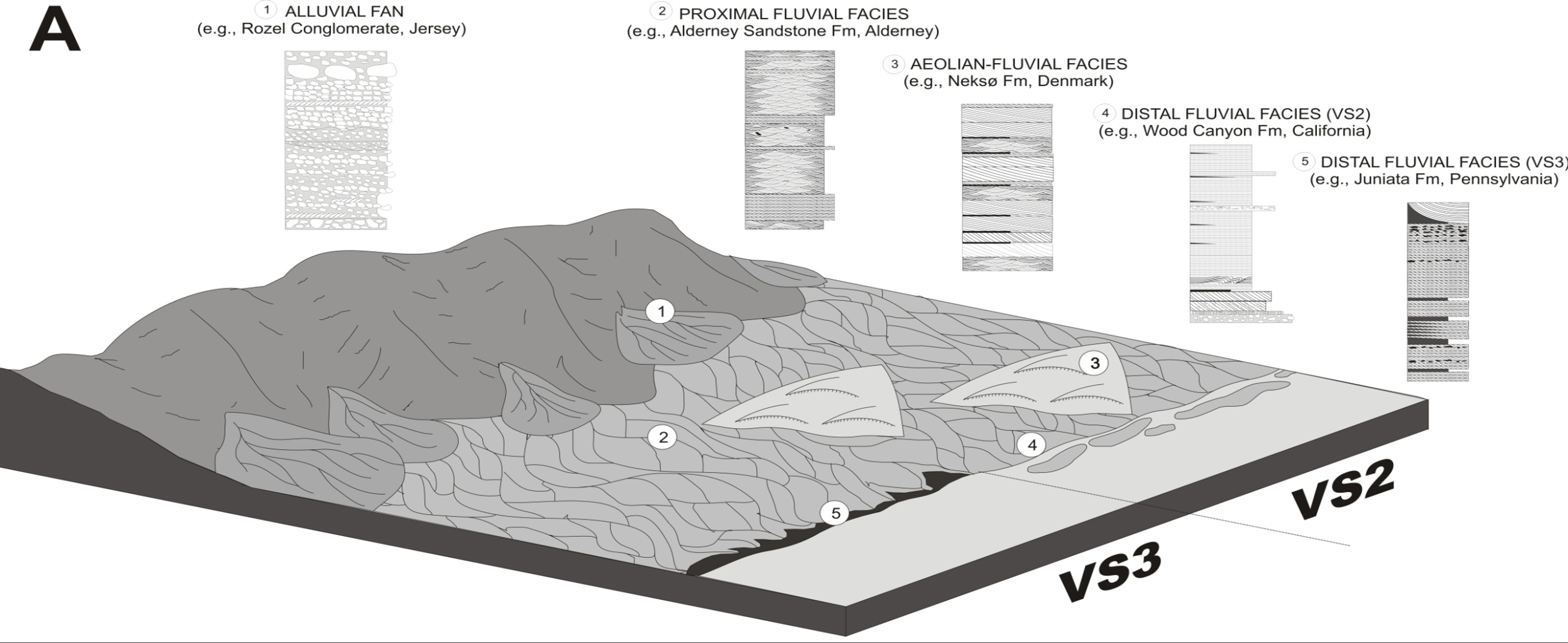
Fig. 5.50 A schematic of alluvial sedimentary processes and products before the expansion of vegetation. From Davies et al. (2011).#
Increase in lateral accretion sets following the evolution of land plants#
Stabilized by roots?
Stabilized by above-ground plant effects (`baffling’)?
More mud?
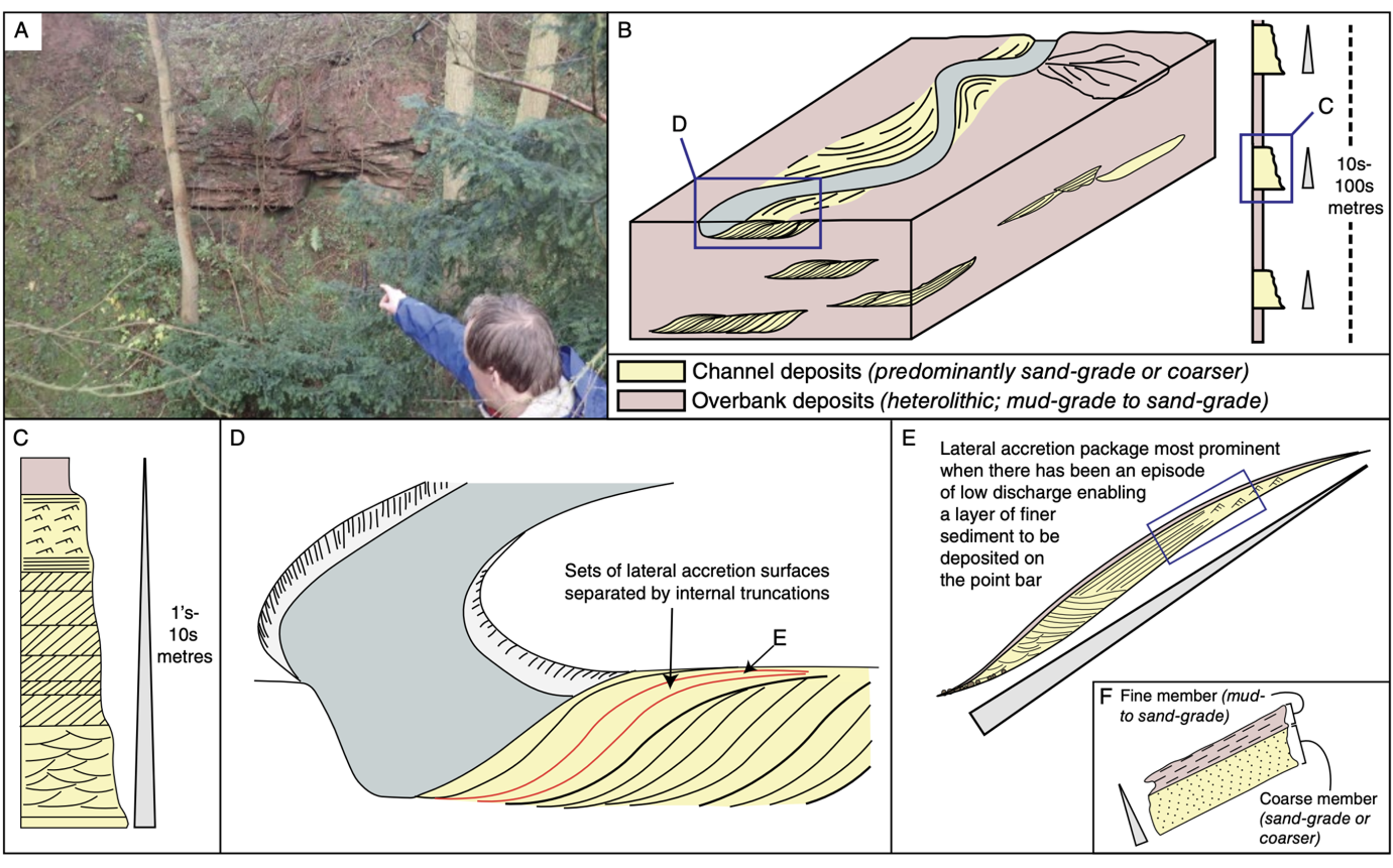
Fig. 5.51 Formation and recognition of lateral accretion sets. From McMahon & Davies (2018).#
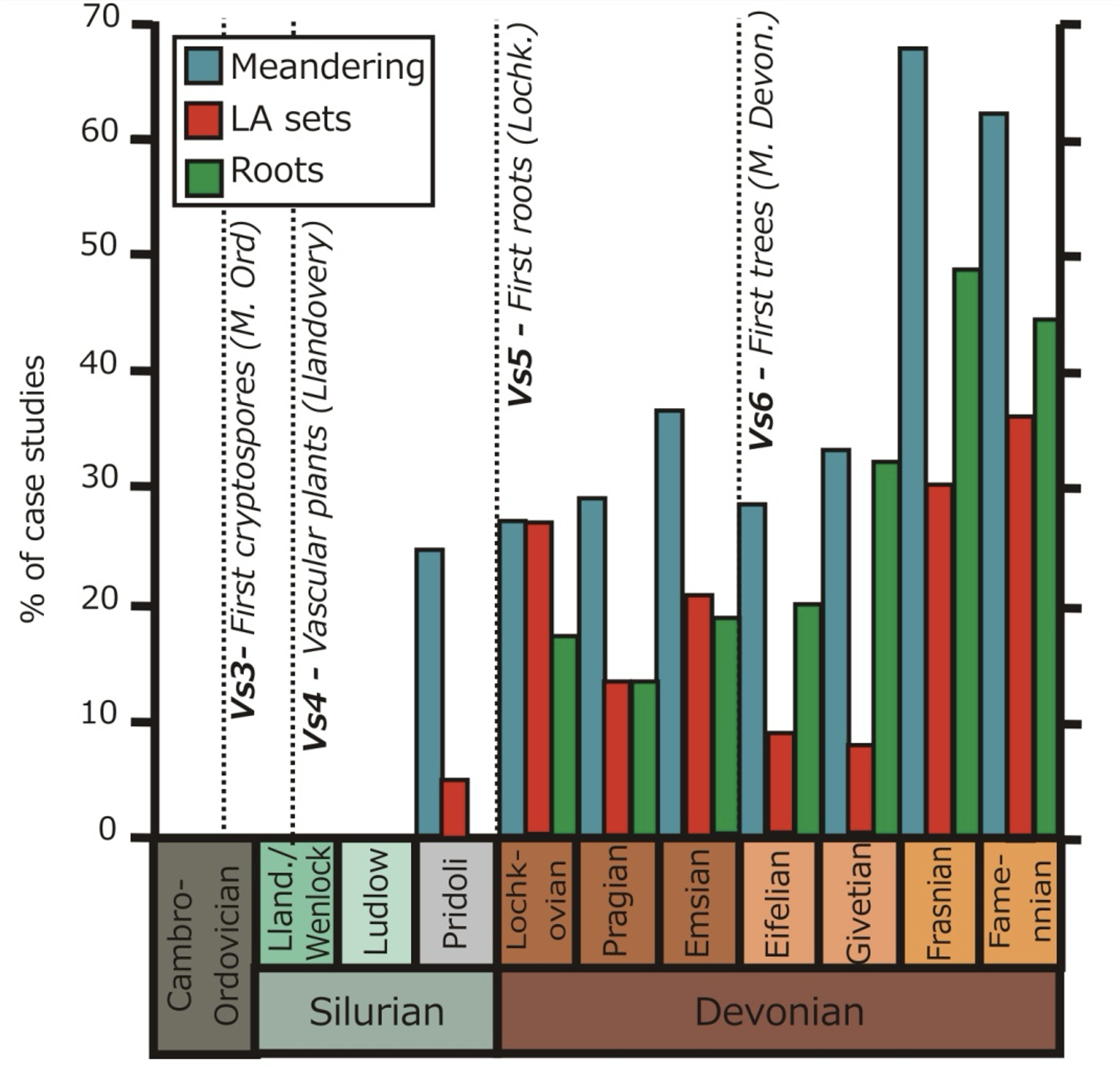
Fig. 5.52 Increased abundance of lateral accretion sets reflects more widespread adoption of meandering channel profiles from teh Paleozoic. From Davies & Gibling (2010).#
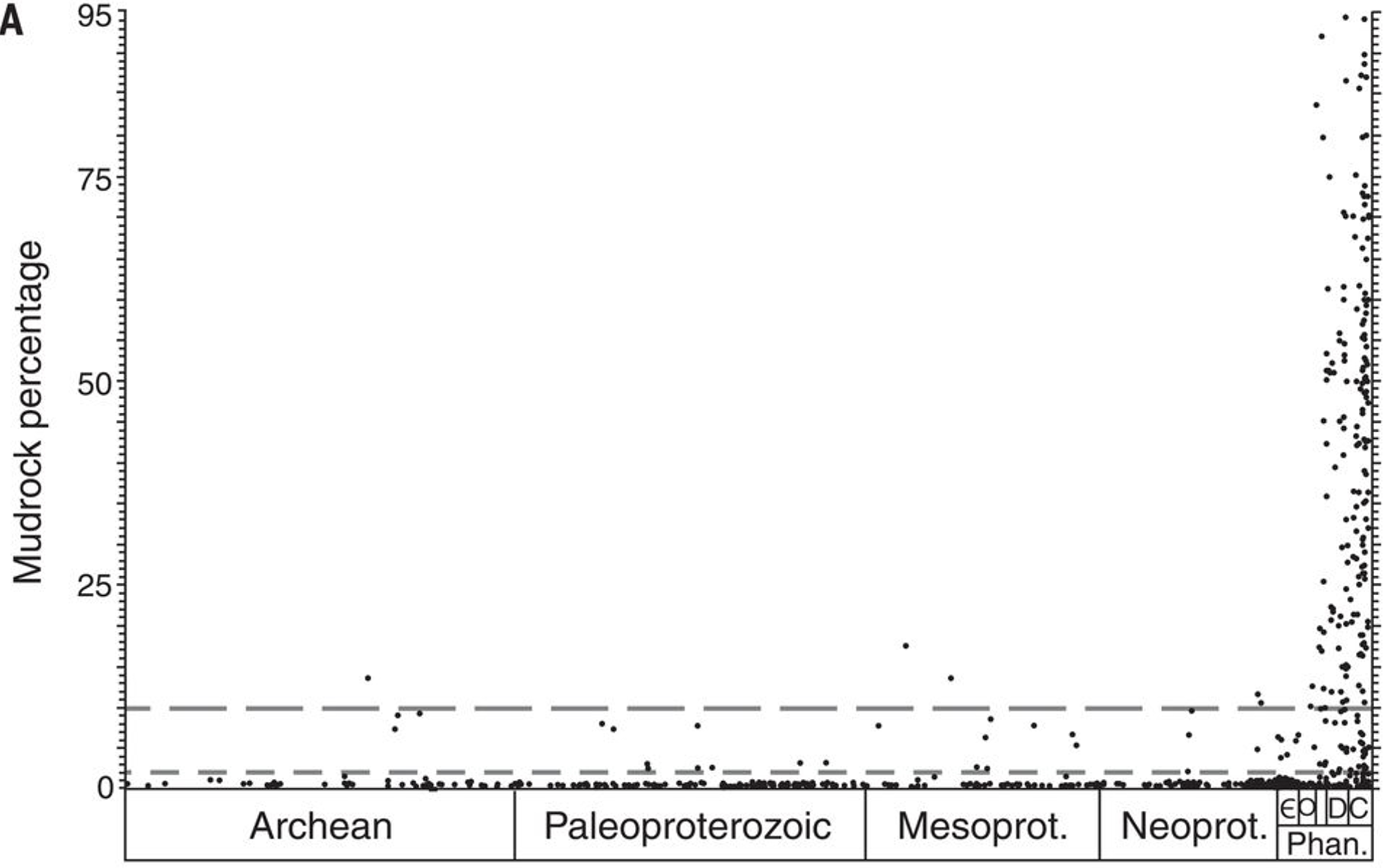
Fig. 5.53 Greater abundance of alluvial mudrock following the Paleozoic evolution of land plants. From McMahon & Davies (2018).#
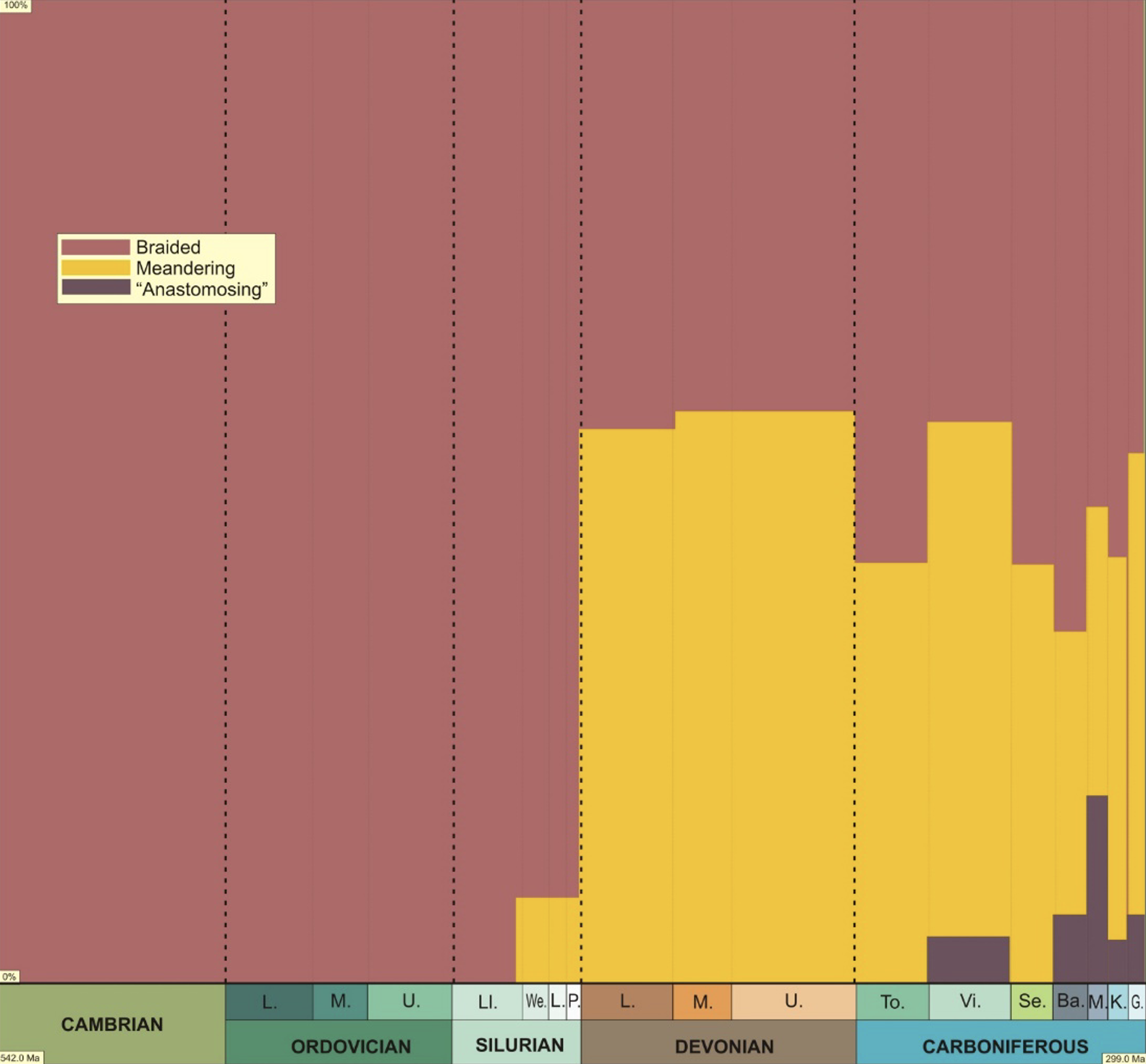
Fig. 5.54 Vegetation controls parameters that influence river channel patterns and therefore sedimentary facies. From Davies & Gibling (2010).#
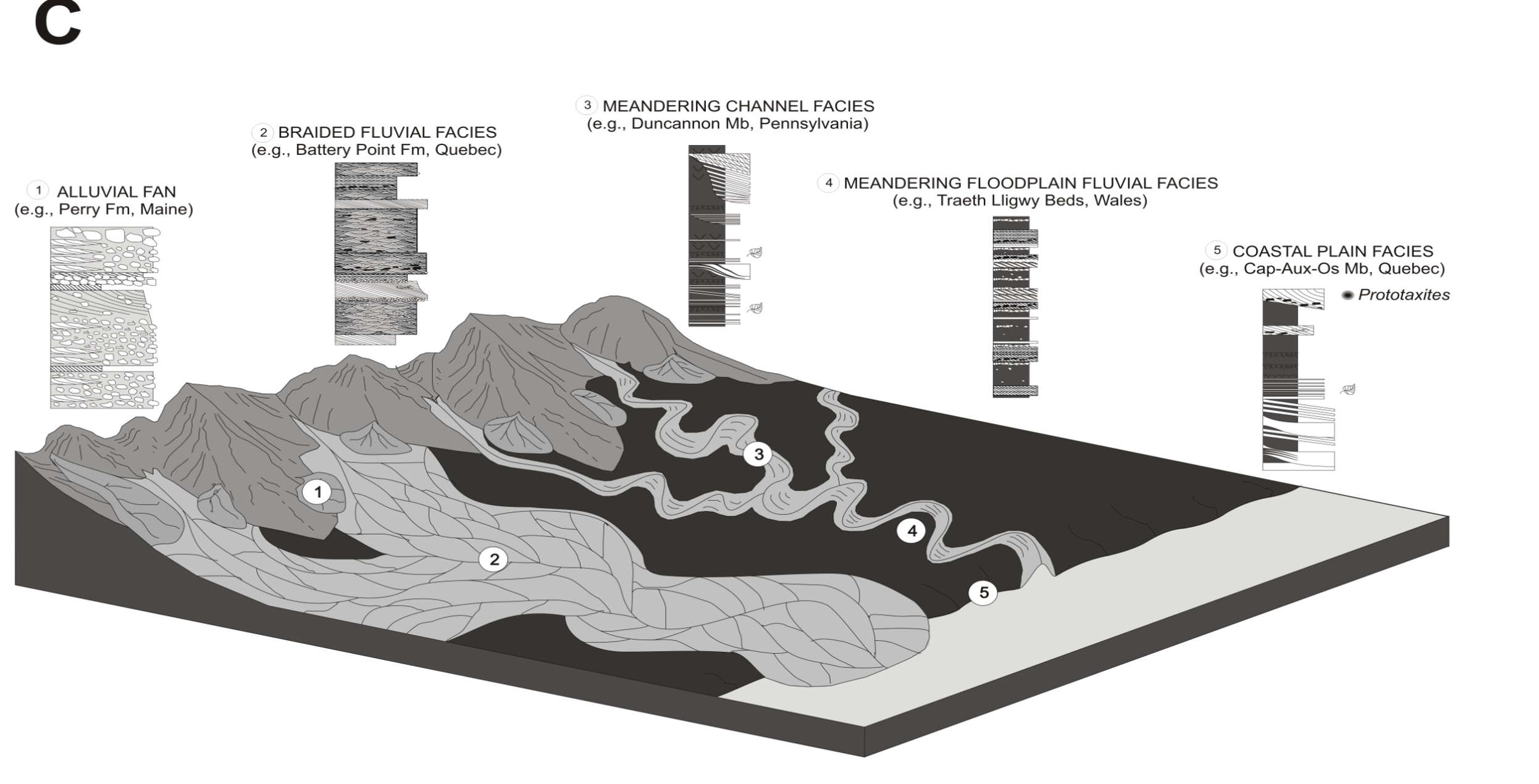
Fig. 5.55 A schematic of a planet’s sedimentary landscape shaped by life. From Davies et al. (2011).#
Further reading
Intensification of continental weathering after the evolution of land plants#
Increases in the abundance and diversity of terrigenous clay minerals closely track major steps in plant evolution Fig. 5.56.
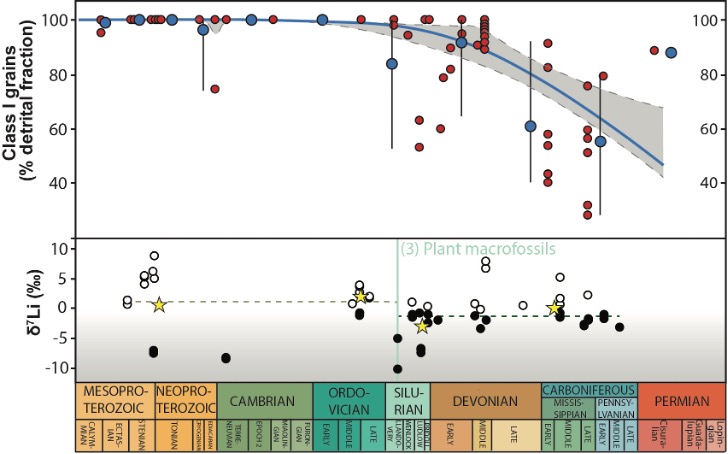
Fig. 5.56 Petrological and isotopic records of clay mineral formation through the Proterozoic and Paleozoic. ‘Class I’ clays record physical erosion and decline in abundance following the evolution of plants. This step change reflects the increased production of neoformed clays which form distinct components of mudrock sedimentary sinks. Lithium isotope proxies for weathering tend towards negative values with increased clay production. McMahon, Unpublished.#
Prior to final deposition and interment in a sedimentary sink, sediment transfer from hinterland sources is punctuated by episodes of storage in staging areas (Fig. 5.57). Where these staging areas comprise stabilized regions away from energy conduits (e.g., the distal parts of floodplains), residence without further transport may persist for millennia or longer.
Prior to the evolution of land plants, the absence of several plant-related sediment binding and trapping mechanisms (e.g., roots, above-ground hydrodynamic obstacles resulted in larger and more frequently reorganized energy conduits, evidenced in the sedimentary record by a preponderance of fluvial facies dominated by sand-grade or coarser sediment (Fig. 5.50). In these landscapes, weatherable minerals would have probabilistically transited through river catchments more rapidly than they could undergo chemical transformation.
After the evolution of land plants, a global increase in heterolithic meandering river and muddy floodplain facies (Fig. 5.51 Fig. 5.52 Fig. 5.53) reflects longer source-to-sink routes within stable energy conduits, and long-lived floodplain staging areas that functioned as weathering reactors for the chemical alteration of sediment grains, forming clay minerals (5.1). Prolonged and repeated residence within these settings would have extended both the duration and frequency of exposure of individual grains to meteoric fluids, providing greater net time for chemical alteration and the production of clay (Fig. 5.57).
Further reading
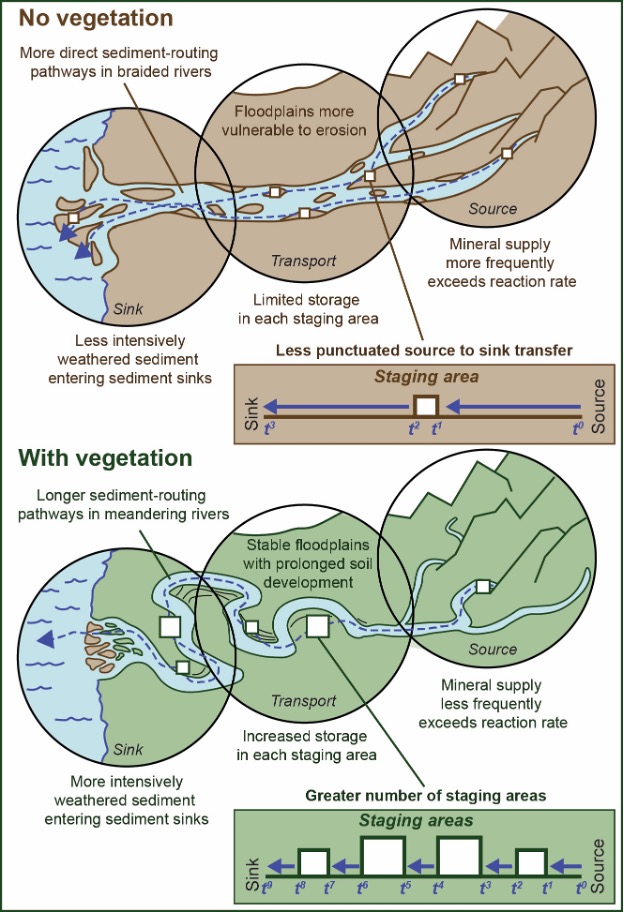
Fig. 5.57 Schematic diagram of source to sink sediment transfer before and after the evolution of land plants. McMahon, Unpublished.#